

Working together for clean water

Watershed Stewards

Gallatin River
Storymap
Latest News
Blog
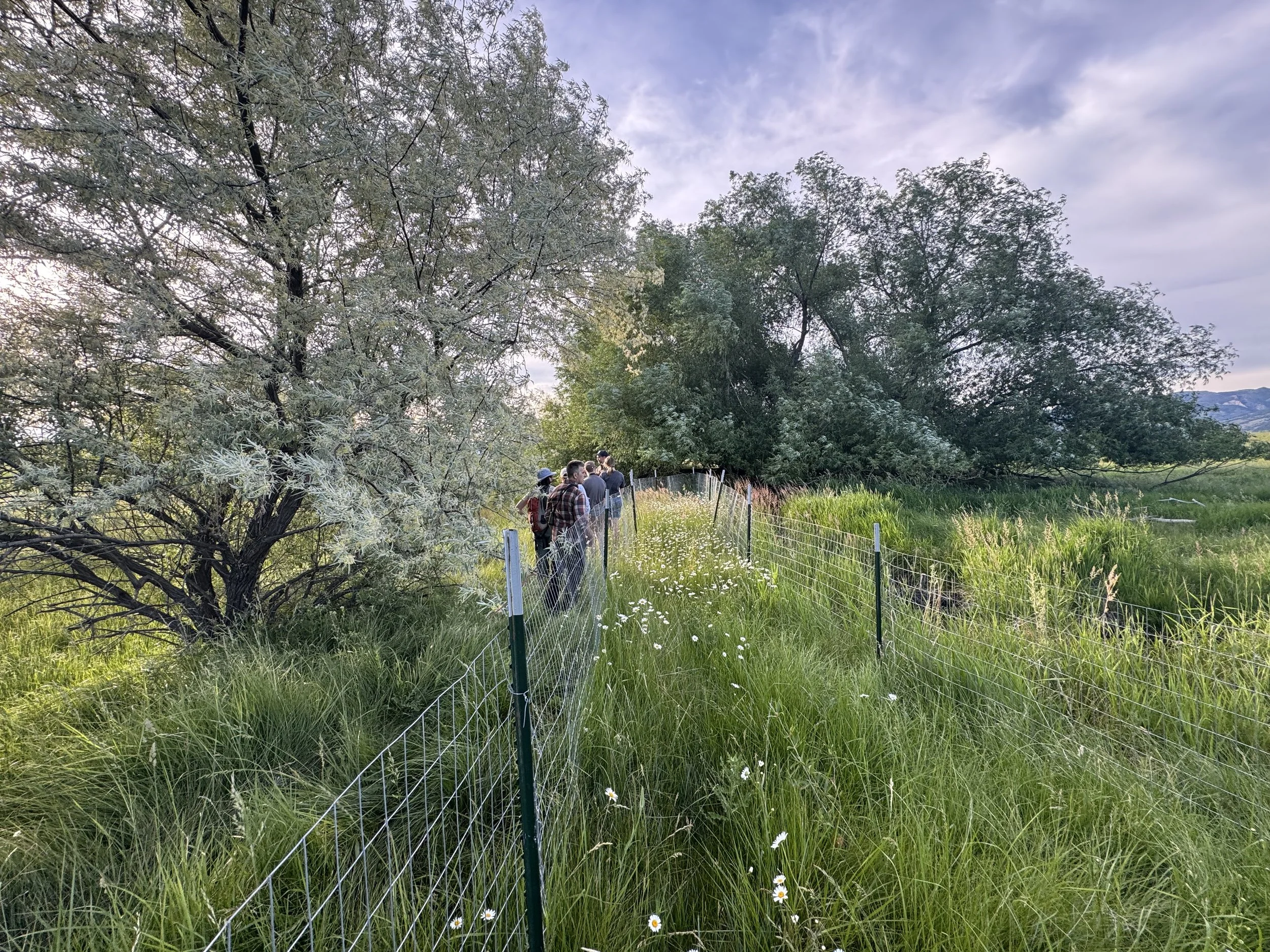
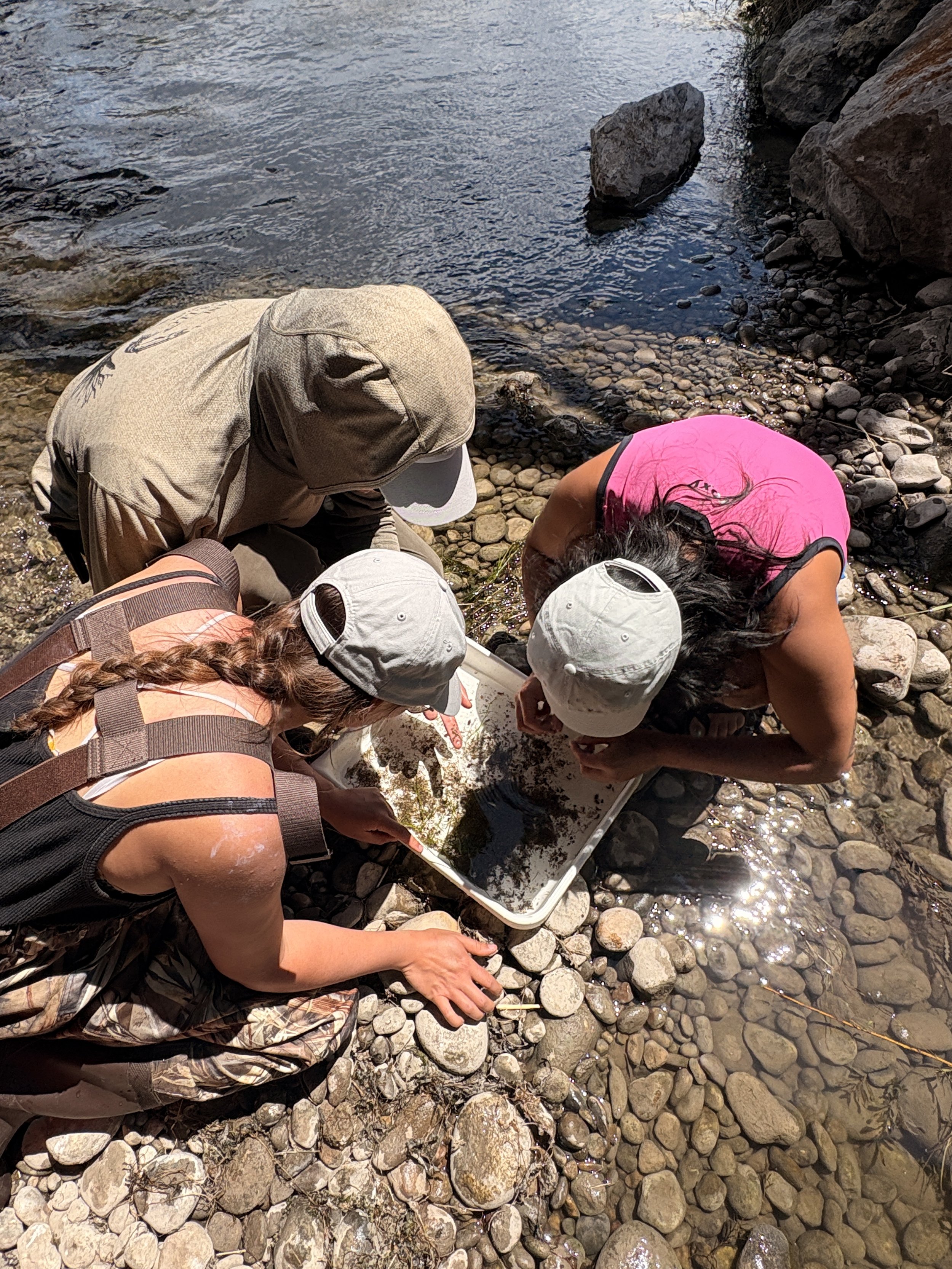



This summer, GWC’s ongoing nature walk series highlighted wonderful community partnerships while guiding participants along a variety of local riparian corridors
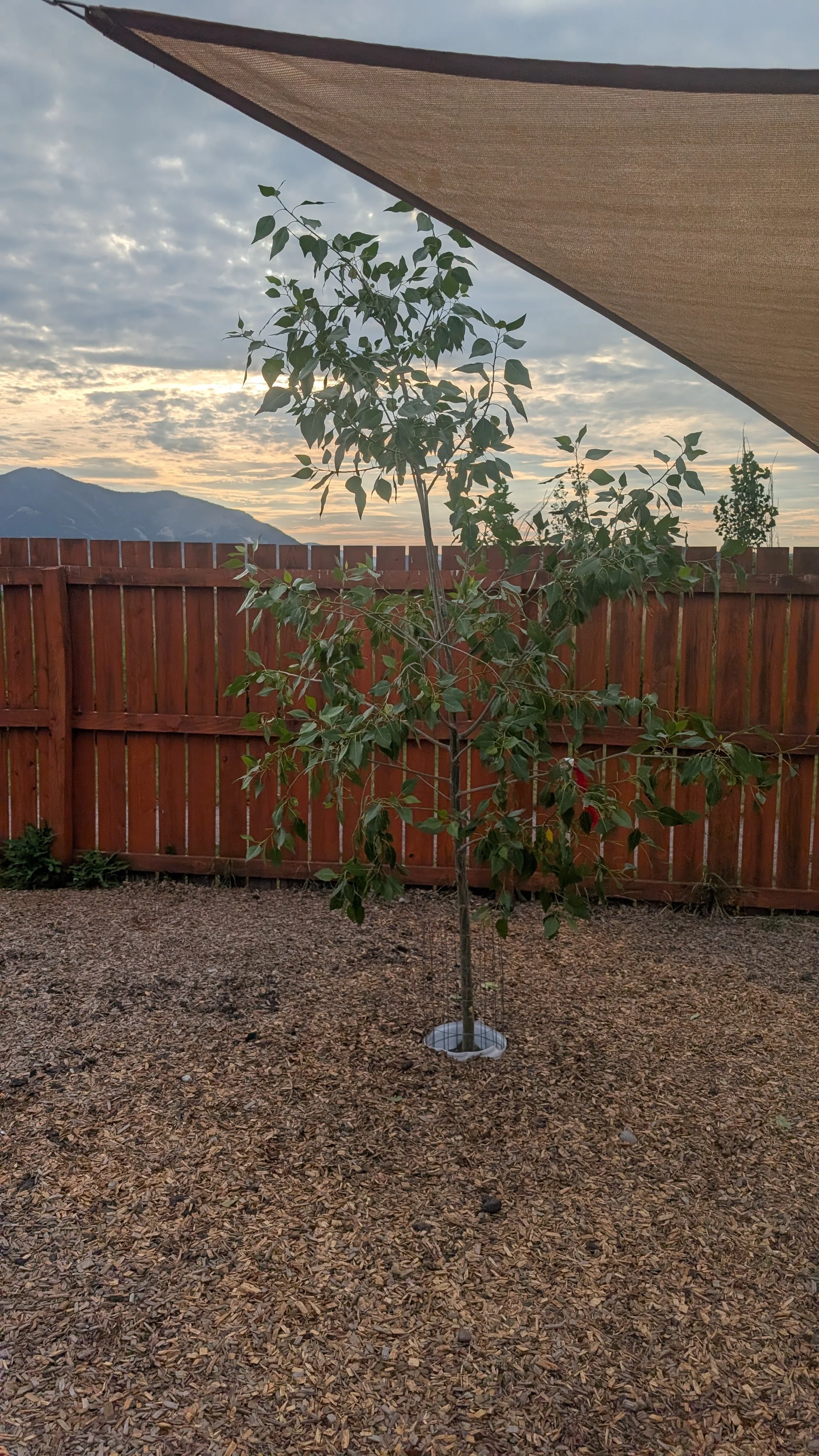
In June, three Branch Out Bozeman trees took root at Family Promise, a non-profit organization in Bozeman that assists families of the Gallatin Valley who are experiencing housing insecurity. Their daycare, Rising Stars, serves up to 90 children every day. Through the Tree voucher program, a collaboration between GWC and City of Bozeman, Family Promise was able to plant trees in their playground.
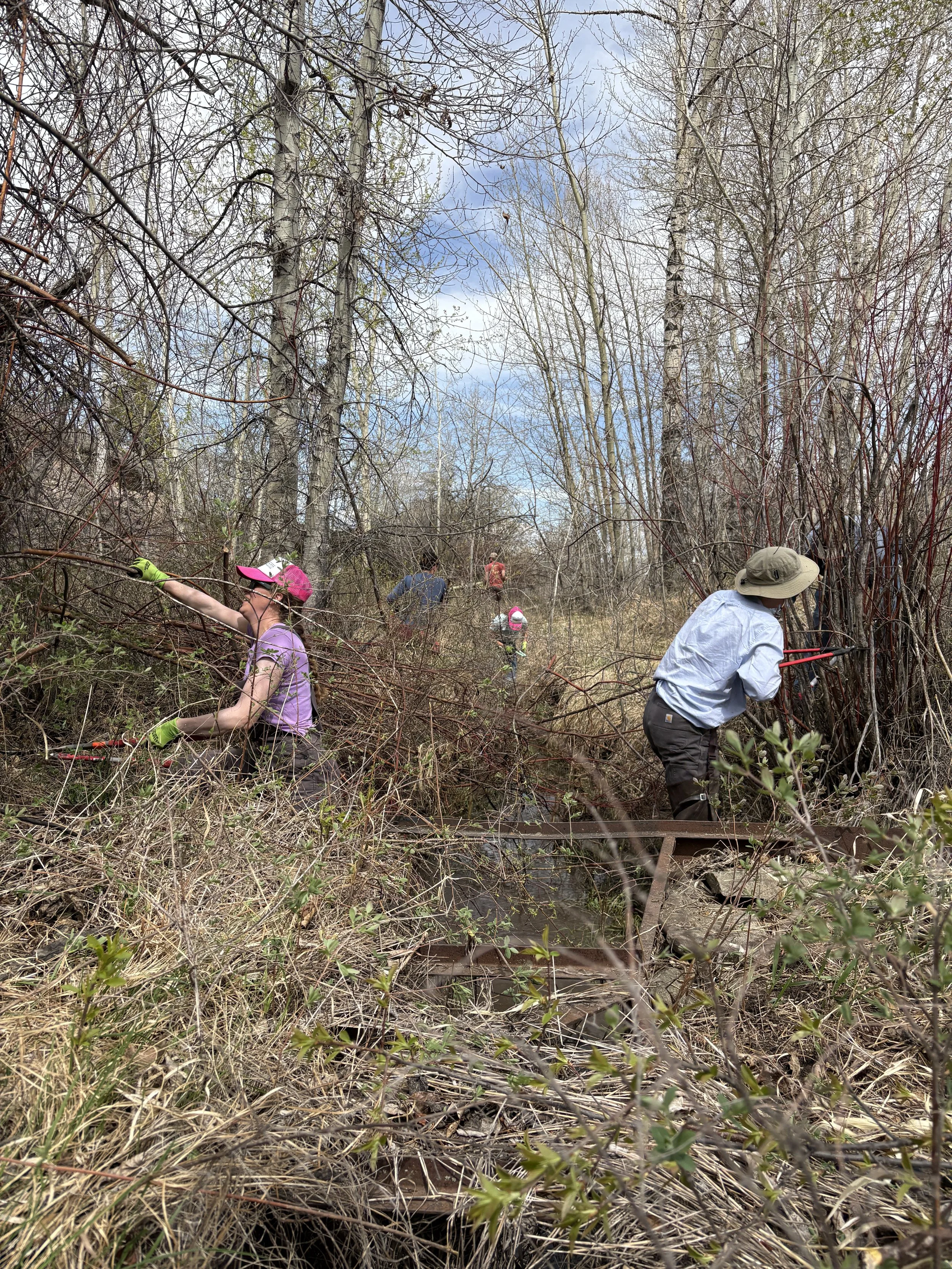
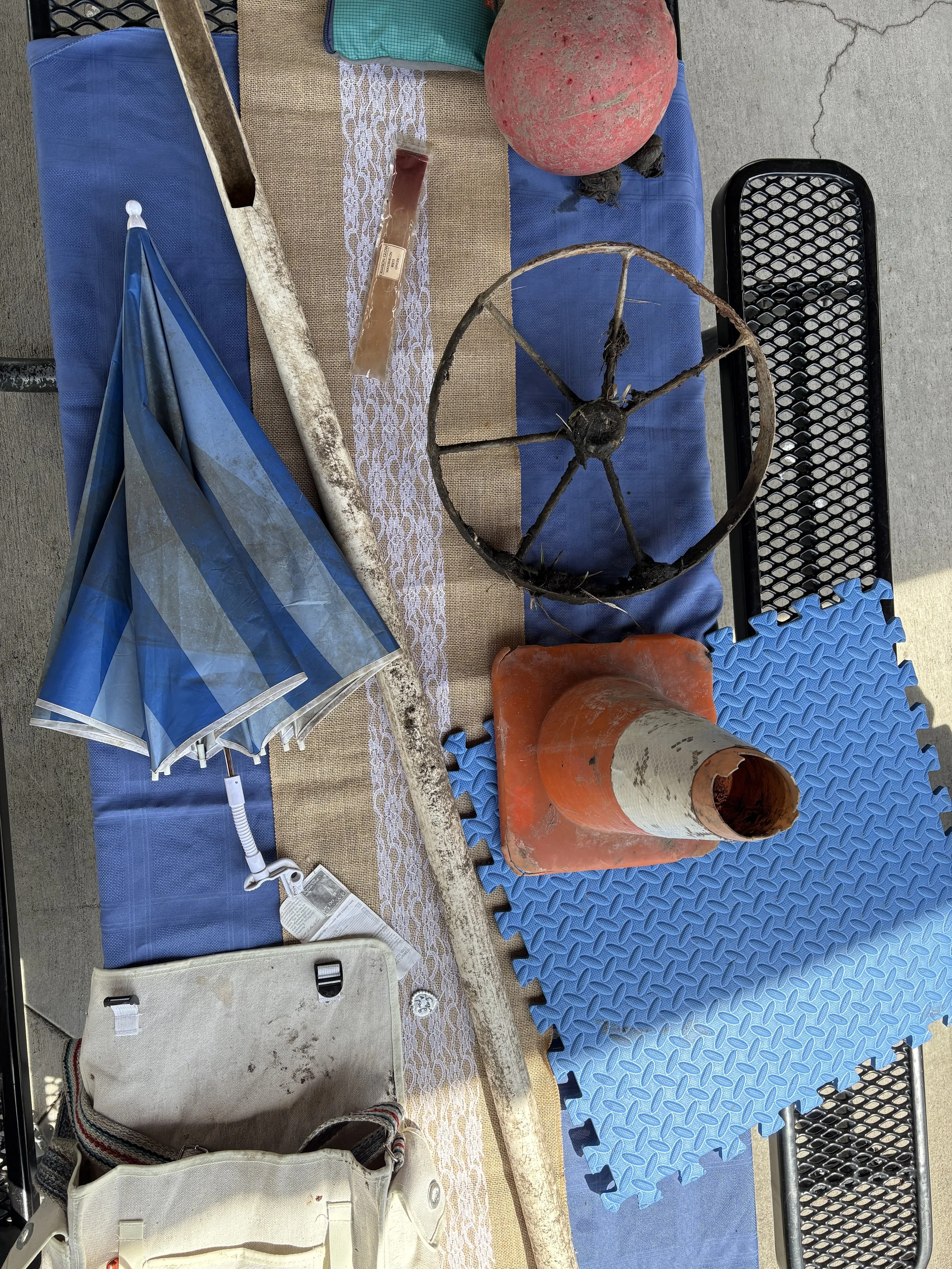
With our field season slowing down for the moment, we are reflecting on some of our favorite experiences this spring. We can’t stop thinking about one event in particular; Pitch in for the Ditch. Back in April, we teamed up with the Association of Gallatin Agricultural Irrigators to learn more about the ditches that serve the Gallatin Valley and to pitch in to clean some of those very ditches out.
Every Spring, hundreds of miles of irrigation ditches are cleared out before water is sent to farms and ranches across the valley. It’s vital to the health of the ditch network to keep the ditches clear of debris so that water is conveyed without risk of pollution, erosion, or flooding.
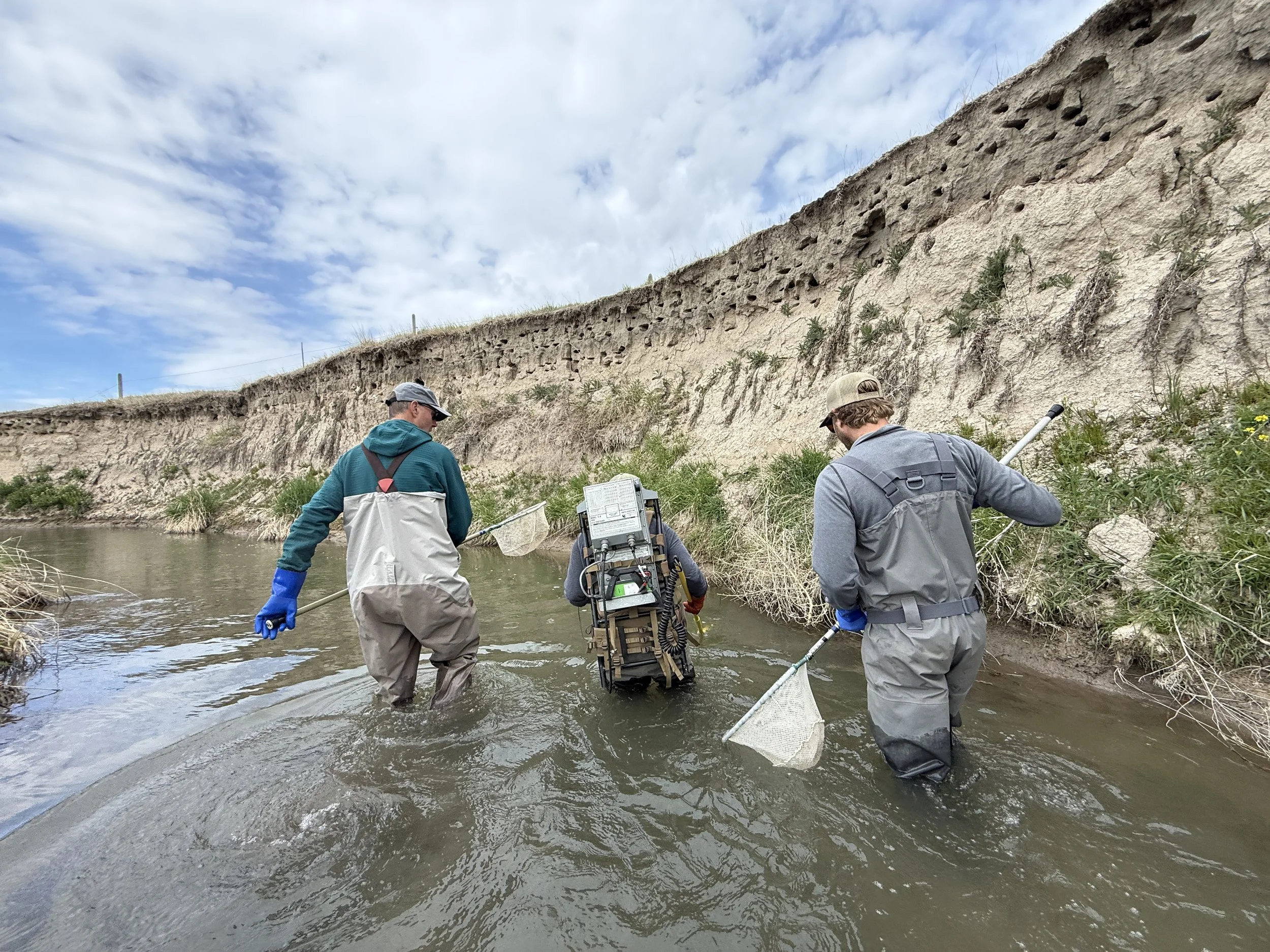
One late-May morning, four guys with nets, buckets, waders, and a battery pack waded into a creek. What happened next will shock you (and about 150 fish).
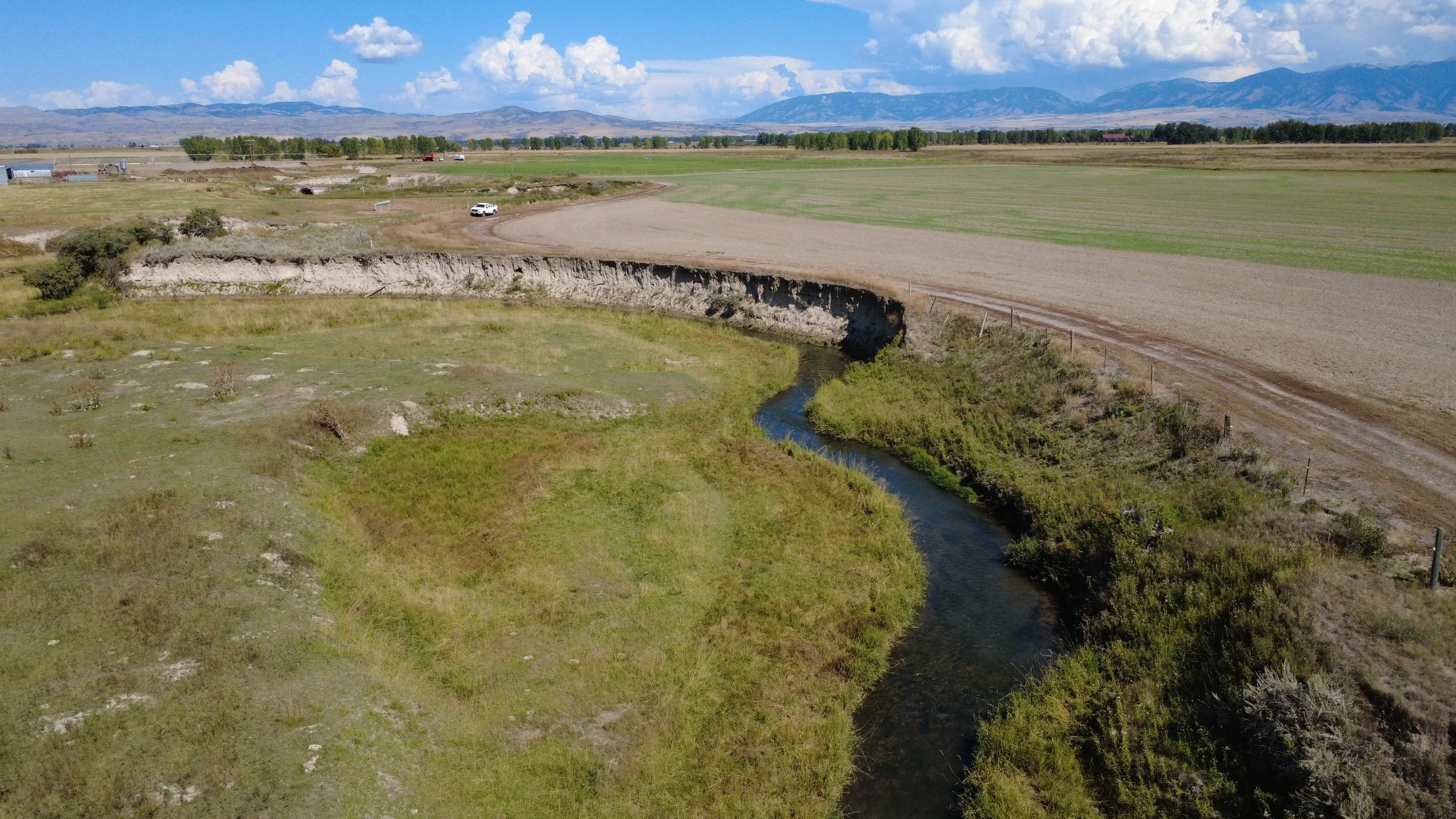
Spring Creek Farms is the site of what will be the Gallatin Watershed Council’s largest restoration project to date. Before we break ground, however, it is important to document the current ecological conditions so we can assess how things change. So, on that mild-weathered May morning, Jared and I from the watershed council were joined by two biologists from Montana Fish, Wildlife and Parks to survey the baseline fish population in a 1.3-mile stretch of Camp Creek.
This year, many people expressed interest in being involved in surface water monitoring and our volunteer slots filled in record time (less than a week)! This represents something special happening in our community because people - like you - really care about having a relationship to the natural resources around you, and being involved in taking care of them. We call this action and relationship watershed stewardship, because it embodies reciprocity.
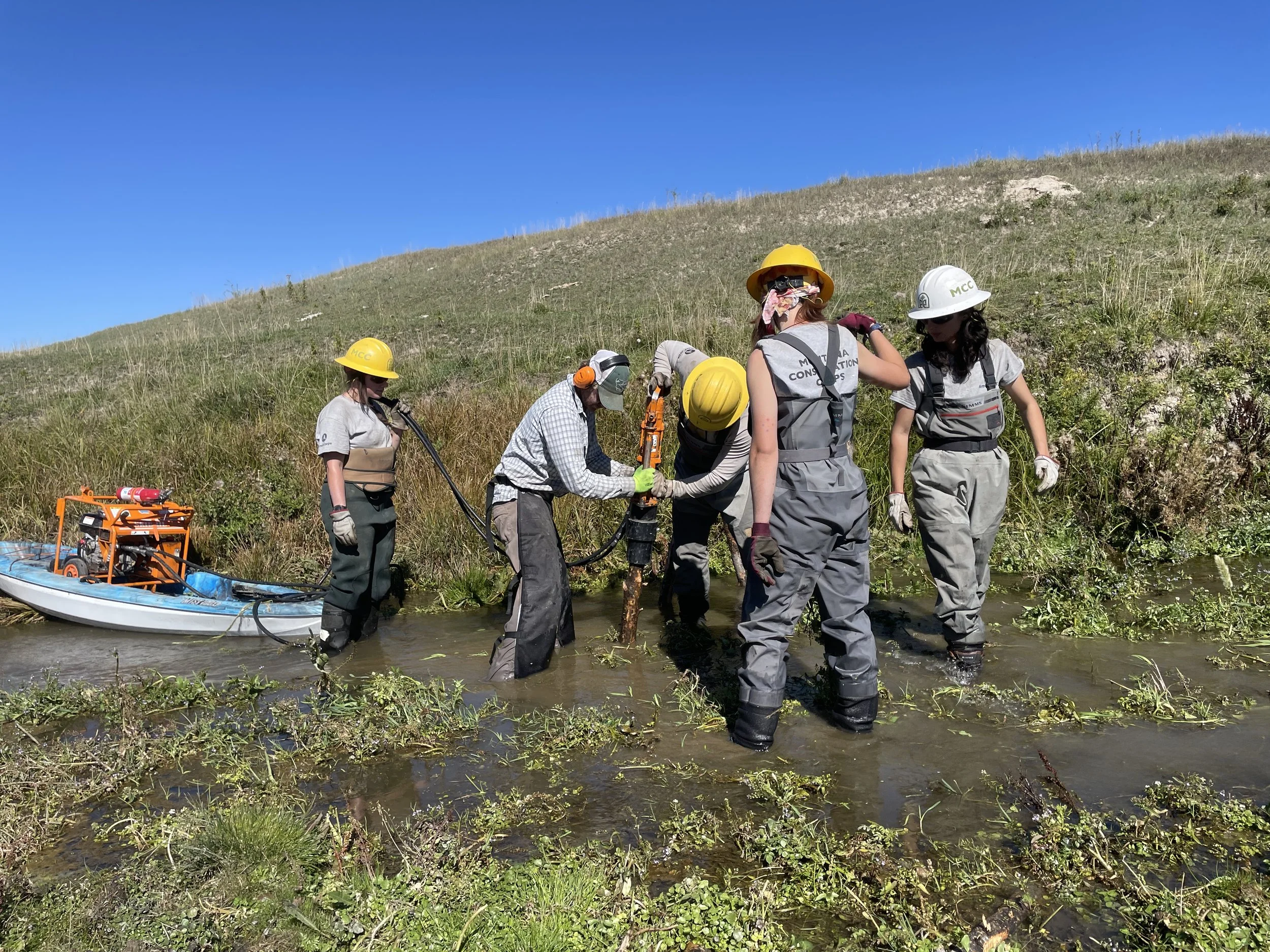
Last spring and fall, many hardworking volunteers and a Montana Conservation Corps field crew got their hands dirty at Spring Creek Farms. We planted, 160 quaking aspens and chokecherries 3,700 willows along a half-mile stretch of Spring Creek near Manhattan. Volunteers and MCC crew members also did their best beaver impressions and built 20 post-assisted log structures (PALs).
On May 16th, over 130 volunteers gathered at 12 local parks, trails and roads in the Lower Gallatin Watershed to pick up 1,212 lbs of trash at our Spring Watershed Cleanup, a GWC tradition. This event brought people of all ages together over a common goal of protecting the watershed from pollution in our beloved public spaces.
The Gallatin Watershed Council is excited to be working with Tim and Nick Venhuizen to restore almost 3 miles of creek on their family-owned and operated farm, just south of Manhattan. Spring Creek Farms is our biggest restoration project to date!
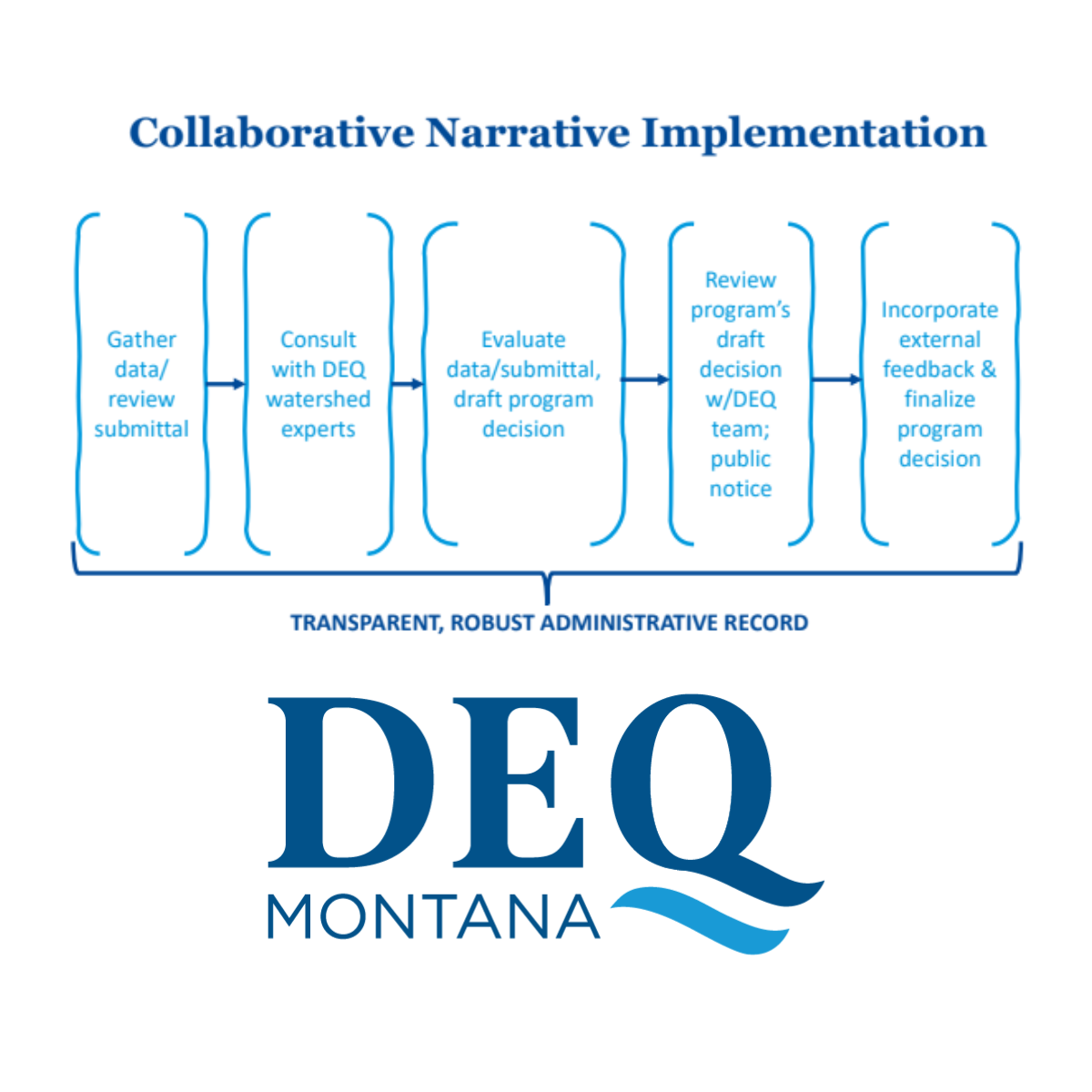
During the 2025 Legislative Session, Montana House Bill 664 revised the state’s water quality standards by repealing “numeric” nutrient criteria and requiring the Montana Department of Environmental Quality (DEQ) to return to enforcing “narrative” standards in Montana’s rivers and streams.
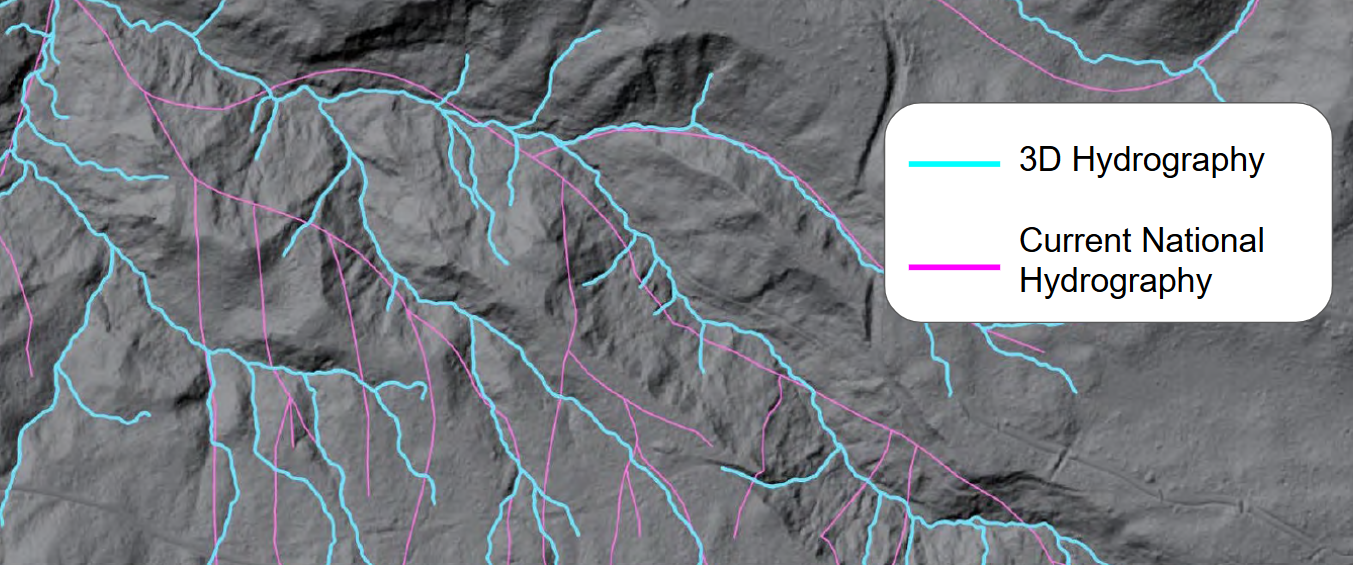
Significant progress is underway to update maps of the interconnected network of streams and ditches that feed the Gallatin Valley.
As we wrapped up our project at Rocky Creek, we took time to interview our volunteers. Overwhelmingly, they told us they are looking for community and to get involved in restoration work. “Getting connected with our community and shared resources, and fostering a sense of responsibility has been deeply meaningful and fulfilling. It really doesn’t matter if you’re covered in muck when you’re with such amazing people,” says Ava, a senior at Montana State University in Ecology, a dedicated GWC volunteer and student.